The Timeline
Every Underground History story, from 1493 to the present, in the order it happened.
-
1440sto 1865
The Peculiar Institution of Chattel Slavery
The premise that Western chattel slavery is a unique historical institution, fundamentally distinct from other forms of human bondage, is a subject of significant academic inquiry. This report will conduct an in-depth comparative analysis to substantiate this thesis…
Read the story
-
1493
The Great Dying
The history of North America is inextricably linked to the profound and catastrophic impact of disease.
Read the story
-
1493to 1954
The Sacralization of Caste
The systematic exploitation of marginalized Black and Brown populations, which defined centuries of Western history, requires tracing its ideological origin to the 15th-century ecclesiastical and legal frameworks that established Christian supremacy as a justification for…
Read the story
-
1501
The Middle Passage
The journey from the African coast to the Americas, which could take months, was a meticulously engineered system of dehumanization where human beings were reduced to marketable “chattel labor” and “human cargo.”
Read the story
-
1649to 1680
The Myth of the Irish Slaves
The enduring historical narrative that conflates the experiences of Irish indentured servants and transportees with African chattel slavery represents a significant challenge to the accurate understanding of labor history in the colonial Atlantic World. This challenge is not…
Read the story
-
1675to 1676
King Philip’s War (1675–1676)
King Philip's War (1675–1678), or Metacom's War, represents a profound turning point in early American history. Triggered by systemic colonial land encroachment and the violent erosion of Native political and legal sovereignty, the conflict fundamentally reshaped the…
Read the story
-
1763to 1775
Uncovering The Revolutionary War's Real Causes
The American Revolution was not a singular event stemming solely from resistance to tax burdens, but rather the culmination of a century-long, irreconcilable divergence in political and economic expectations between Great Britain and its North American colonies. The conflict…
Read the story
-
1785to 1787
Jefferson and the Moose
In the late 18th century, European thinkers like Count Buffon claimed that the New World produced weaker, smaller animals — and by extension, weaker people. Thomas Jefferson took that personally.
Read the story
-
1791
Haiti: Revolution, US Interference, Imperialism
Born from the only successful slave rebellion to ever establish an independent nation, Haiti represented a radical challenge to the 18th-century world order built on slavery and racial hierarchy.
Read the story
-
18101903
Cassius Marcellus Clay (1810–1903)
Cassius Marcellus Clay (1810–1903) was a figure of profound paradox who defied easy categorization. Born into the wealthy, slave-owning planter aristocracy of Kentucky, a state deeply entrenched in the institution of slavery, he would become one of the most visible and vocal…
Read the story
-
1830to 1849
The Indian removal act and the trail of tears
The Indian Removal Act was not an isolated legislative event but the culmination of a long-standing national ideology that sought to justify the seizure of Indigenous lands.
Read the story
-
1835to Present
The History of Tariffs
The history of the United States' federal revenue policy is a narrative of profound transformation, shifting from a near-total reliance on tariffs to a modern system dominated by income and payroll taxes. The analysis presented in this report confirms several key propositions…
Read the story
-
1837to 1920
Confederate Christendom vs. the “Godless North”
How Southern theologians cast secession as a holy war between orthodox Christendom and a “Godless North” — and why the record doesn’t bear it out.
Read the story
-
1839to 1915
Robert Smalls
Born into slavery in South Carolina, Robert Smalls made history in 1862 by commandeering a Confederate steamboat, the Planter, and sailing himself, his crew, and their families to freedom.
Read the story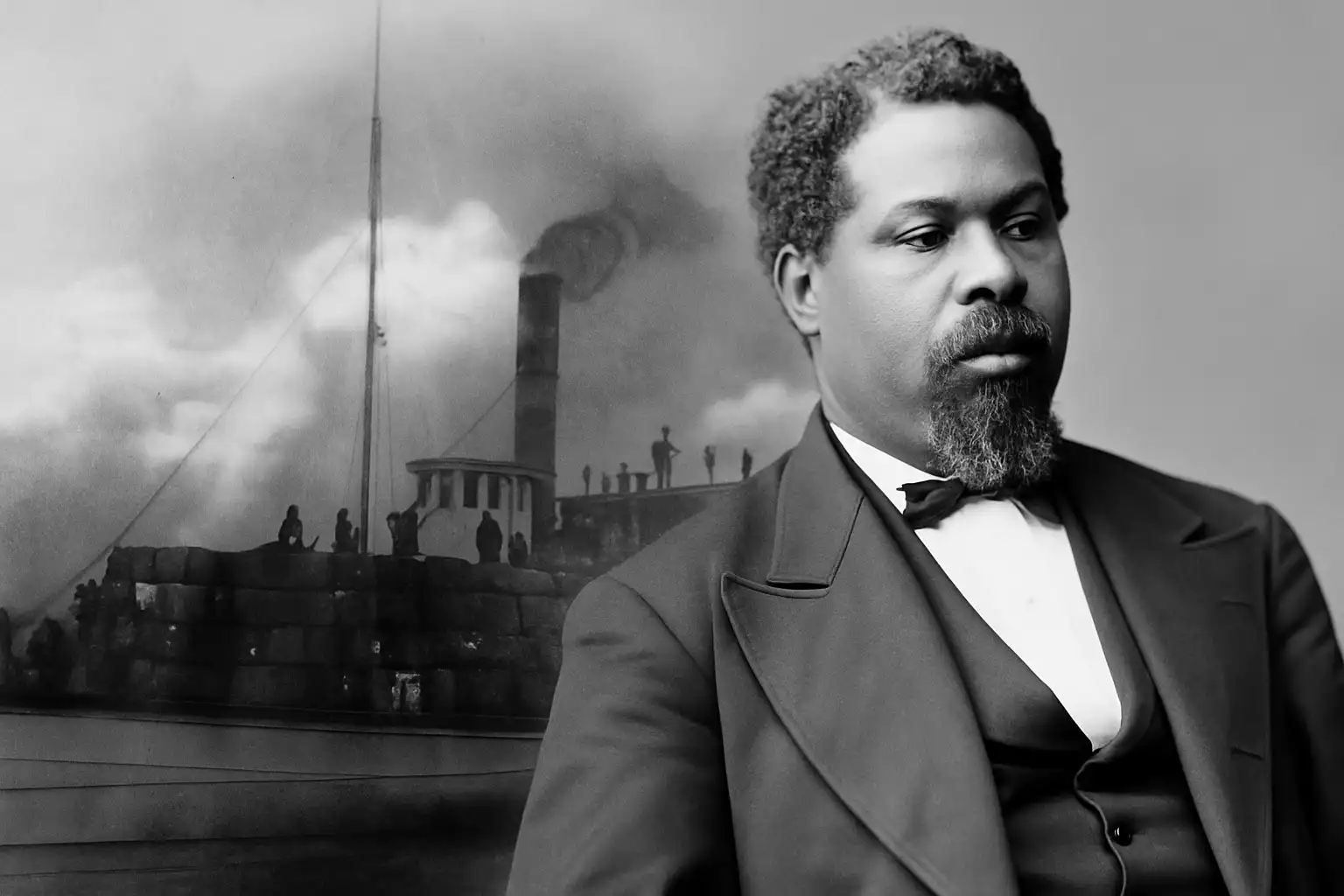
-
1840to Present
Anarchy
Anarchism is a rich and complex political philosophy and social movement, yet it is widely misconstrued as being synonymous with chaos, lawlessness, and destruction. This report provides a definitive exploration of anarchism, moving beyond this pervasive trope to reveal its…
Read the story
-
1861to 1865
The Red Strings
The historical narrative of the American South during the mid-nineteenth century often collapses into a singular image of secessionist unity, yet the internal reality of North Carolina was defined by a profound and violent schism. This internal conflict was centered in the…
Read the story
-
1862to 1929
Sergei Nilus
In the tumultuous history of late Imperial Russia, few figures embody the spiritual schizophrenia of the age more profoundly than Sergei Aleksandrovich Nilus (1862–1929). Born into the westernized landed gentry, Nilus traversed the archetypal path of the "repentant nobleman,"…
Read the story
-
1863
Fifth Avenue Anarchy
On the humid afternoon of July 13, 1863, New York City—the commercial heart of the Union—collapsed into chaos.
Read the story
-
1865to 1877
The Failure of Reconstruction
The withdrawal of federal troops from Southern state houses in April 1877 marked one of American history's most consequential betrayals. In a matter of days, the United States abandoned 4 million formerly enslaved Americans to their former enslavers, reversing a decade of…
Read the story
-
1865to 1970s
The Party Switch
This report details the transformation of the United States Democratic Party from the end of the Civil War (1865) through the 1970s, focusing on the ideological rupture between its Northern and Southern wings. The analysis confirms that the eventual adoption of the Civil…
Read the story
-
1877to 1952
Texas Tornado
The trajectory of American Protestantism in the twentieth century is often narrated through the lens of theological schisms—the Great Reversal, the Scopes Monkey Trial, and the retreat of conservative evangelicals into a subculture of separation. Yet, this narrative is…
Read the story
-
1878to 1946
Jack Johnson
The life and career of Arthur John Johnson, known universally as Jack Johnson, represent one of the most profound and catalytic challenges to American white supremacy during the Jim Crow era. Born in the immediate aftermath of Reconstruction, Johnson leveraged the brutal…
Read the story
-
1884to 1885
The Berlin Conference
The late 19th century marked a pivotal period in global history, as European industrial powers, fueled by economic ambition and fierce rivalries, turned their attention to the African continent. This era, known as the New Imperialism, was characterized by a voracious demand…
Read the story
-
18851908
Congo Free State: 1885–1908
The Congo Free State (CFS), spanning the vast Congo Basin, stands as a critical and horrifying precedent in colonial history. Established between 1885 and 1908, it was unique among African territories, functioning not as a traditional colony under a governmental mandate, but…
Read the story
-
1891to1952
Albert Battel
The historical narrative of the Holocaust is often presented in stark terms of good versus evil, of victims versus perpetrators. Yet, within this horrific landscape, there exist figures whose actions defy such simple categorization. Albert Battel, a German lawyer, military…
Read the story
-
1897
Lattimer Massacre of 1897
The Lattimer Massacre, which occurred on September 10, 1897, near Hazleton, Pennsylvania, represents one of the most brutal and defining moments in American labor history.
Read the story
-
18981975
Paul Robeson
Paul Robeson was a quintessential 20th-century Renaissance man whose unparalleled talents as a scholar, athlete, artist, and activist were inextricably linked to his unyielding fight against global white supremacy. His career trajectory, particularly his expatriate success in…
Read the story
-
1898to Present
Puerto Rico
Puerto Rico, officially designated as an unincorporated territory of the United States since 1898, presents a complex case study in protracted structural colonialism. The relationship established following the Spanish-American War has consistently defined the island not as a…
Read the story
-
1903to 1945
The Genealogy of Genocide
The trajectory of The Protocols of the Elders of Zion—from a clumsy fabrication by Tsarist secret police to its canonization in Nazi ideology—represents one of the most devastating case studies in the weaponization of disinformation in human history. This report provides an…
Read the story
-
1908to 1944
Aimee Semple McPherson
Aimee Semple McPherson was the most influential religious innovator of early twentieth-century America, fusing Hollywood spectacle with Pentecostal fervor to create the template for modern megachurch ministry. Born in 1890 on an Ontario farm and dead at 53 from an accidental…
Read the story
-
1910
1910 - Slocum Massacre
The Slocum Massacre of July 1910 did not emerge from a vacuum; it was the violent manifestation of deep-seated racial resentment and systemic oppression characteristic of the Jim Crow South during the "Nadir" of American race relations. East Texas, a region historically…
Read the story
-
1910to 1920
La Matanza
Between 1910 and 1920, Texas Rangers and vigilantes systematically killed between 300 and 5,000 Mexican Americans along the Texas-Mexico border in one of the worst periods of state-sanctioned racial violence in U.S. history. Known as La Matanza ("The Massacre") or Hora de…
Read the story
-
1918to 1967
George Lincoln Rockwell
George Lincoln Rockwell stands as the seminal figure in the development of National Socialism in post-World War II America. As the founder and "Commander" of the American Nazi Party (ANP), he transformed a fringe, European ideology into a uniquely American spectacle of…
Read the story
-
1918to 2006
Mickey Spillane
Mickey Spillane, born Frank Morrison Spillane, was an American crime novelist and cultural phenomenon who transcended the traditional boundaries of authorship to become a brand in his own right. His indelible mark on pop culture stems not from literary acclaim but from his…
Read the story
-
1918
The Secret Memo That Killed Accommodation
The entry of the United States into World War I presented a profound strategic dilemma for African American leadership. The conflict forced Black intellectuals and activists to choose between emphasizing patriotic loyalty in hopes of post-war reward (the strategy of…
Read the story
-
1919
The Red Summer
The period known historically as the "Red Summer" of 1919 stands as a pivotal and brutal climax in the history of American racial violence. This era was characterized not by a single, isolated event, but by a coordinated series of white supremacist terrorist attacks, race…
Read the story
-
19201950
Early African African Cinema
Between 1920 and 1950, approximately 500 "race films" were produced by and for African Americans, creating a parallel cinema industry that operated outside Hollywood's segregated studio system. This remarkable movement saw Black filmmakers develop sophisticated technical…
Read the story
-
1921to 1959
Matt Baker
Matt Baker was the most talented comic book artist you've never heard of — a gay Black man who became the Golden Age's premier illustrator of women, created the first graphic novel, and had his art weaponized in Congress to censor an entire industry, all while maintaining…
Read the story
-
1921
The Battle of Blair Mountain
The 1921 labor conflict where 15,000 coal miners fought against company forces, including the first aerial bombing of US citizens.
Read the story
-
1921
The Tulsa Race Massacre
The 1921 Tulsa Race Massacre destroyed the nation’s wealthiest Black community in less than 24 hours through coordinated aerial bombardment and systematic ground attacks.
Read the story
-
1925to 1936
Auto Barons and the Black Legion
This report presents an exhaustive historical and forensic analysis of the socio-industrial complex in the American Midwest during the 1930s, specifically focusing on the intersection of the Black Legion—a violent, white supremacist, paramilitary terrorist organization—and…
Read the story
-
1925to 1937
The Black Legion
The Black Legion was a clandestine, violent, far-right vigilante organization active primarily in the Midwest—especially Detroit—during the 1920s and 1930s.
Read the story
-
1926to 1940
Father Coughlin
The history of Father Charles Edward Coughlin serves as a singular, harrowing chapter in the narrative of American democracy, religion, and mass media. Rising from the obscurity of a small suburban parish in Michigan to command a weekly radio audience of thirty million…
Read the story
-
1927
Metropolis
Fritz Lang's 1927 science fiction epic Metropolis stands as one of cinema's most influential and troubled productions—a 17-month ordeal that nearly bankrupted Germany's largest film studio, subjected actors to conditions bordering on torture, and yet created imagery that…
Read the story
-
1928to 1960
Amos 'n' Andy
Amos 'n' Andy stands as one of the most influential and controversial programs in American broadcasting history. At its 1930-31 peak, the show commanded 40 million nightly listeners—one-third of the entire U.S. population and 74% of all radio audiences—causing movie theaters…
Read the story
-
1933to 1945
Part I. The Political Religion of Hate
This report investigates the thesis that National Socialism (Nazism) functioned fundamentally as a replacement political-religious movement, systematically substituting the core tenets and symbols of Christianity—specifically the cross—with its own fabricated, Ario-Germanic…
Read the story
-
19331945
Part II. Ideology and Conscience
The rise of National Socialism in Germany was no mere political phenomenon. It was, rather, a syncretic ideology rooted in a potent and volatile mix of 19th-century esoteric traditions, romantic nationalism, and racial pseudoscience. This ideological crucible produced a…
Read the story
-
1933to 1936
Sun-Koh, the Heir of Atlantis
The American pulp hero Doc Savage, the "Man of Bronze," is a familiar icon of the genre, an archetype of the self-made, scientifically-minded adventurer. Less known in the United States, yet equally significant in his native Germany, is his short-lived contemporary and…
Read the story
-
1933to 1942
The Civilian Conservation Corps
The establishment of the Civilian Conservation Corps (CCC) in 1933 represented one of the most immediate and successful legislative responses of President Franklin D. Roosevelt's New Deal program, created to lift the United States out of the Great Depression. Officially known…
Read the story
-
1933to 1935
The Transatlantic Mirror of Hate
The creation of the foundational race legislation of the Third Reich, particularly the notorious Nuremberg Laws of 1935, was not a process of political and legal invention carried out in isolation. Rather, it relied heavily on established, codified models of systemic racism…
Read the story
-
1933
The Wall Street Putsch
The Business Plot of 1933, also known as the “Wall Street Putsch,” was a political conspiracy allegedly planned by wealthy American businessmen to overthrow President Franklin D. Roosevelt.
Read the story
-
1934to 1985
The History of Charlton Comics
Charlton Comics’ story begins in an unlikely place: prison. Italian immigrant John Santangelo Sr., who had been running a bootleg song-lyrics publishing business, was jailed in 1934 for copyright infringement. Behind bars he met Edward Levy, a disbarred attorney serving time…
Read the story
-
1935to 1944
Third Reich Television
The historiography of the Third Reich has long been dominated by the twin pillars of mass media that defined the era: the radio and the cinema. The ubiquity of the Volksempfänger (People's Receiver), bringing the voice of the Führer into the domestic sanctity of the German…
Read the story
-
19361967
Greenbooks 1936-1967
The Negro Motorist Green Book, often referred to simply as the Green Book, emerged not as a simple directory of amenities but as an indispensable tool for survival, mapping a clandestine network of safe havens necessary for African American travel across a racially hostile…
Read the story
-
1936to 1993
Jack Kirby
This report provides a comprehensive, deep-dive analysis of the life and career of Jack Kirby (born Jacob Kurtzberg), a figure widely recognized as the primary architect of the American comic book industry. Spanning his early life in the tenements of New York’s Lower East…
Read the story
-
1936to 1981
Joe and Max
In the mid-1930s, the world struggled under the dual pressures of economic devastation stemming from the Great Depression and the ominous rise of ideological conflicts, specifically the challenge presented by totalitarian fascism to established democratic liberalism. Within…
Read the story
-
1936to Present
Kenneth Copeland
Kenneth Max Copeland, born in 1936, is an American televangelist and author who stands as one of the most visible and influential figures in the charismatic Word of Faith movement. His ministry, Kenneth Copeland Ministries (KCM), operates under the umbrella of Eagle Mountain…
Read the story
-
1936to 1945
Kuhn's German American Bund
The German American Bund (GAB) rally held on February 20, 1939, at Madison Square Garden (MSG) in New York City represents one of the most remarkable and disturbing moments of domestic extremism in American history. Organized and headlined by the Bund’s leader, Fritz Julius…
Read the story
-
1937to Present
Historically Black Colleges and Universities (HBCUs)
Historically Black Colleges and Universities (HBCUs) are recognized nationally as unique and vital institutions within the American higher education landscape, defined by both historical necessity and federal statute. Under the Higher Education Act of 1965 (HEA), as amended…
Read the story
-
1939to 1945
Lord Haw-Haw
The name "Lord Haw-Haw" is synonymous with wartime treachery, evoking the image of a sneering, pseudo-aristocratic broadcaster who mocked the British people during their darkest hour. The man behind this notorious moniker was William Joyce, an individual whose life was a…
Read the story
-
1939to Present
Supplemental Nutrition Assistance Program (SNAP)
The Supplemental Nutrition Assistance Program (SNAP), administered by the U.S. Department of Agriculture (USDA) Food and Nutrition Service (FNS), serves as the cornerstone of federal anti-hunger efforts in the United States. Its mission is to alleviate hunger and improve the…
Read the story
-
1940to 1943
Lionel Atwill
The 1940s scandal involving actor Lionel Atwill, a prominent character actor of the era, is often remembered through sensationalized, and largely inaccurate, accounts. This report provides a detailed examination of the events, their legal fallout, and the lasting impact on…
Read the story
-
1943
Zoot Suit Riot
In the sweltering early days of June 1943, the streets of Los Angeles became a battleground. For nearly a week, from June 3 to June 8, the city was convulsed by a series of violent clashes that would become known as the Zoot Suit Riots. These events were not a spontaneous…
Read the story
-
1945to 1959
Operation: Paperclip
The conclusion of World War II ignited an unprecedented global race to secure intellectual capital, pitting the emerging superpowers against the remnants of the fallen Third Reich. The United States’ endeavor, formally known as Operation Paperclip, originated in the post-war…
Read the story
-
1945to 1951
Post War Germany
The professional landscape available to former members of the Schutzstaffel (SS) and the Geheime Staatspolizei (Gestapo) following the cessation of hostilities in 1945 presents a profound historical paradox. The initial Allied mandate was total socio-political cleansing, yet…
Read the story
-
1945to Present
The CFA Franc Crisis
The CFA Franc represents one of the most enduring and controversial monetary structures inherited from the colonial era. It is the shared name for two distinct, non-interchangeable currencies utilized by 14 African nations—the West African CFA franc (XOF) and the Central…
Read the story
-
1946to 1956
DuMont
The historical landscape of mid-twentieth-century American broadcasting is commonly defined by the hegemony of the "Big Three" networks: NBC, CBS, and ABC. Yet, the foundational decade of commercial television featured a fourth competitor that was, in many respects, more…
Read the story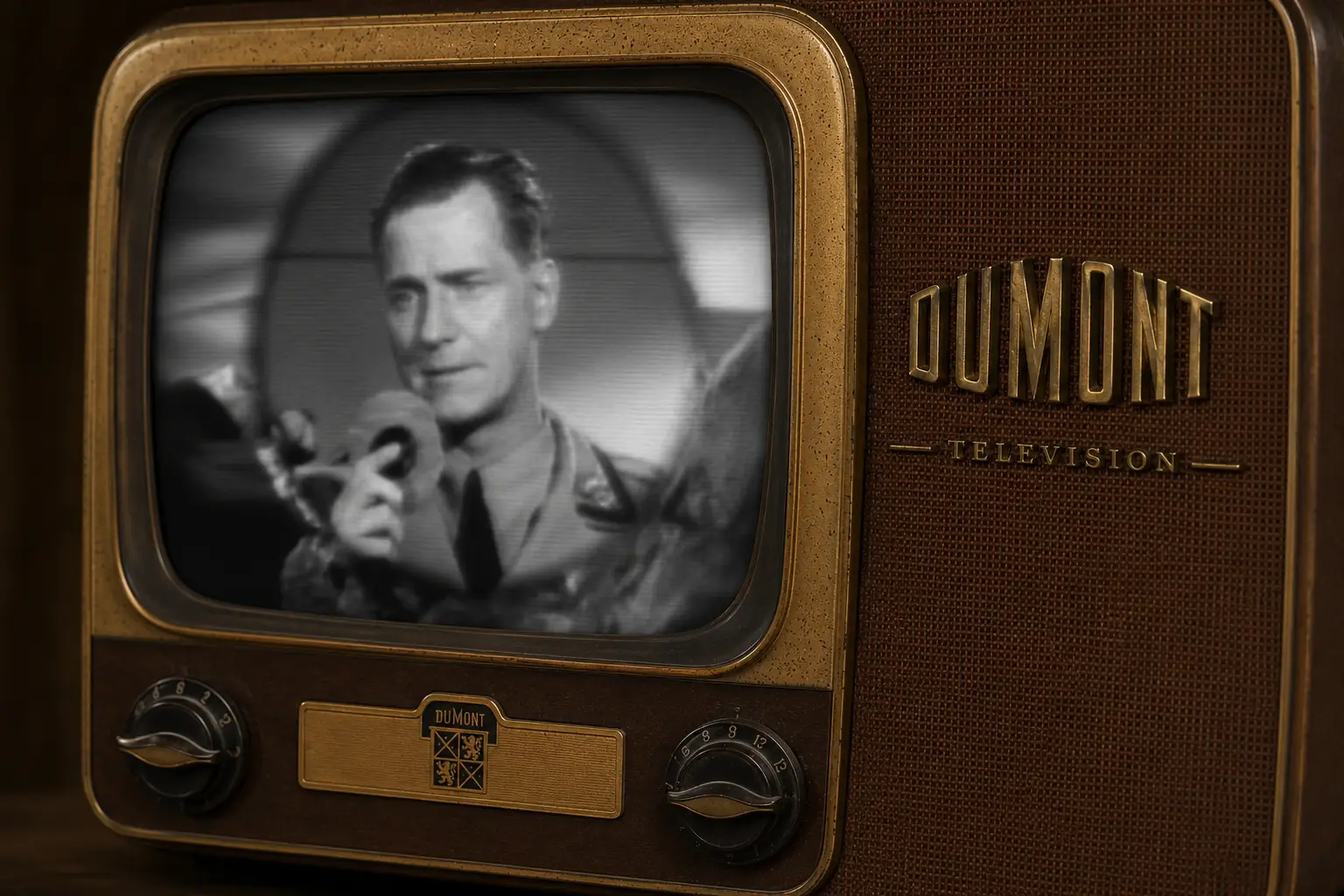
-
1946to 1958
Nuclear Testing at Bikini Atoll (1946–1958)
Between 1946 and 1958, the United States conducted 23 nuclear tests at Bikini Atoll in the Marshall Islands. These included the first post-WWII tests (Operation Crossroads in 1946) and several thermonuclear (hydrogen bomb) detonations. The most infamous was Castle Bravo on…
Read the story
-
1946
Superman vs. The KKK
The year 1946 represented a crucial inflection point in American history, marking the transition from a world at war to an era of profound domestic challenges. Following the conclusion of World War II, the United States turned its attention inward to address a variety of…
Read the story
-
1947to 2025
Assata Olugbala Shakur
This report presents a comprehensive, multi-dimensional analysis of Assata Olugbala Shakur, examining the complex confluence of political militancy, legal controversy, international diplomacy, and revolutionary legacy that defines her history. Her life story is marked by a…
Read the story
-
1947to 1950
Lustron Homes
The economic and social landscape of the United States immediately following World War II was defined by an acute national housing shortage. The rapid return of millions of servicemen (G.I.s) created unprecedented demand for affordable, quickly assembled housing. This…
Read the story
-
1947to 1957
The Red Scare
The mid-twentieth century in the United States was characterized by a profound and pervasive psychological crisis, a period where the geopolitical anxieties of the Cold War were turned inward, transforming the American political landscape into a theater of suspicion. While…
Read the story
-
1948to Present
The Nakba to Present
The State of Israel emerged from the ashes of the British Mandate for Palestine, formalized by the United Nations General Assembly Resolution 181 on November 29, 1947. This resolution recommended the partition of Palestine into separate Jewish and Arab states, alongside an…
Read the story
-
1951to 1991
Lee Atwater
Lee Atwater (1951–1991) emerged as a decisive figure in American political campaigning, known for his aggressive tactics and instrumental role in perfecting the implementation of the latter stages of the Republican Party’s Southern Strategy during the 1980s. Originating from…
Read the story
-
1953to Present
Operation: Ajax the Iranian Revolution
In 1951, Iran’s elected prime minister Mohammad Mossadegh, a nationalist from the secular National Front party, moved to nationalize the Anglo-Iranian Oil Company (AIOC, later British Petroleum). For decades, the British had enjoyed near-total control over Iran’s petroleum.…
Read the story
-
1954to Present
AIPAC
The American Israel Public Affairs Committee (AIPAC) stands as one of the most powerful and influential lobbying organizations in the United States, dedicated to advocating policies that support strong U.S.-Israel relations to the legislative and executive branches of…
Read the story
-
1954
Castle Bravo
Castle Bravo was a U.S. thermonuclear bomb test conducted at Bikini Atoll on March 1, 1954. It yielded an unexpectedly massive explosion of 15 megatons – over 2.5 times larger than the predicted 5–6 megaton yield. This blast was 1,000 times more powerful than the Hiroshima…
Read the story
-
1954
Salt of the Earth 1954
“Salt of the Earth” remains the only feature film in U.S. history to be systematically blacklisted through coordinated government, industry, and union suppression.
Read the story
-
1955
Emmett Till
Emmett Till, a 14-year-old boy from Chicago, was abducted, tortured, and murdered in Mississippi in 1955 after being accused of offending a white woman.
Read the story
-
1956to 1971
COINTELPRO
The history of federal counterintelligence operations reveals a persistent structural prioritization that targets ideological challenges to the status quo over concrete threats of lethal domestic violence.
Read the story
-
1956to 1957
The Nat "King" Cole Show
In the mid-1950s, Nat King Cole stood at the undisputed zenith of global entertainment. His record sales were phenomenal, and he was recognized not merely as one of the highest-paid black individuals in America but as one of the most successful entertainers in the world.…
Read the story
-
1959
Rhapsody of Steel
In the cultural history of the American twentieth century, the year 1959 stands as a pivotal fulcrum—a moment suspended between the grounded, industrial prowess of the post-war boom and the untethered, vertical aspirations of the coming Space Age. It was a year defined by the…
Read the story
-
1964
The Gulf of Tonkin Phantom Attack
The Gulf of Tonkin incident stands as the definitive watershed moment in the American involvement in the Vietnam War. Ostensibly comprised of two separate naval engagements in early August 1964 between the United States Navy and the naval forces of the Democratic Republic of…
Read the story
-
1964to Present
The Truth about DEI
This report provides a rigorous, data-driven analysis of Diversity, Equity, and Inclusion (DEI) frameworks, addressing the operational reality, historical foundations, and legal constraints governing their implementation. The scope is specifically defined to counteract…
Read the story
-
1965
Baldwin vs Buckley
The debate between James Baldwin and William F. Buckley Jr. at the Cambridge Union Society on February 18, 1965, stands as a seminal event in American intellectual history, encapsulating the profound ideological and moral schism regarding race, justice, and the definition of…
Read the story
-
1967to 1987
Lucius Amerson
The historical evolution of law enforcement in the American South is inseparable from the region's broader struggle for racial equity and political self-determination. For nearly a century following the collapse of the First Reconstruction, the office of the county sheriff…
Read the story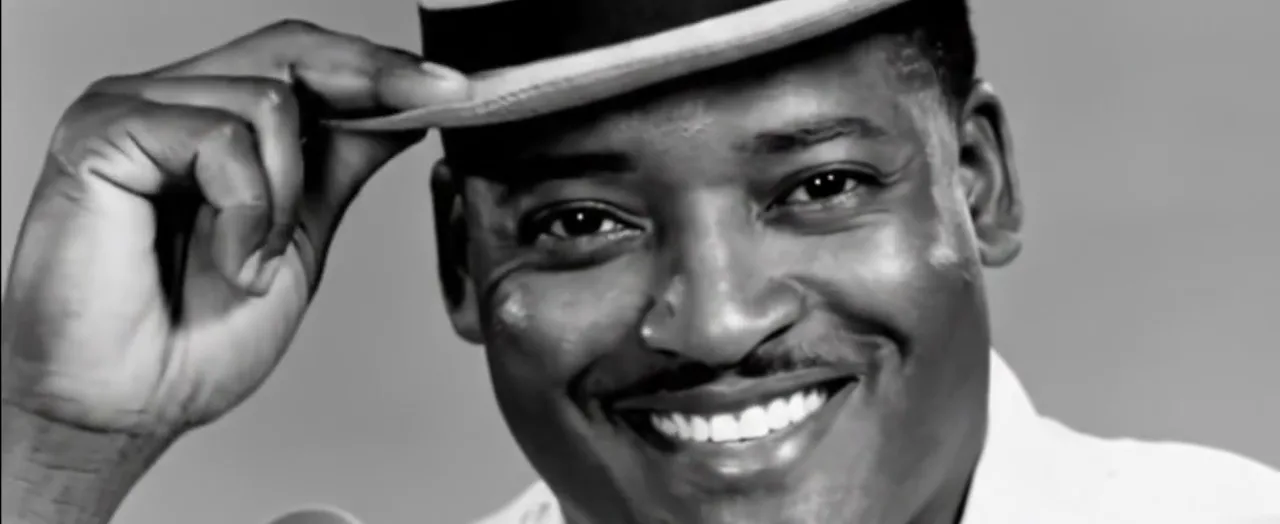
-
1968
My Lai Massacre
On March 16, 1968, during the Vietnam War, soldiers of the U.S. Army's Charlie Company entered the hamlet of My Lai (Son My village) and carried out a brutal massacre of unarmed Vietnamese civilians. The atrocity, which claimed the lives of over 300 villagers including women…
Read the story
-
1973to 1979
A.I.M: The American Indian Movement
The American Indian Movement emerged in Minneapolis in 1968 amid police brutality, systemic poverty, and broken promises. Its leaders — Dennis Banks, Russell Means, John Trudell, and Leonard Peltier — embodied different dimensions of resistance.
Read the story
-
1973to Present
For-Profit Insurance: Profit Over Affordability
The analysis confirms a structural incompatibility between the core operational mandate of the commercial health insurance industry and the provision of affordable, universally accessible healthcare in the United States. The for-profit model, driven by the legal principle of…
Read the story
-
1973to Present
Healthcare Delivery
The structural dominance of the for-profit model within the U.S. healthcare provider sector—encompassing hospitals, physician groups, and increasingly, specialized facilities—is the primary and quantifiable driver of escalating, unsupportable healthcare costs. The inherent…
Read the story
-
1973to Present
US Healthcare
The American healthcare financing system is characterized by a structural pathology stemming from the privatization and financialization of both health insurance and healthcare delivery. The origins of this structure are inextricably linked to federal policies designed to…
Read the story
-
1985
The 1985 MOVE Bombing
On May 13, 1985, Philadelphia police dropped a bomb from a helicopter onto the MOVE organization’s row house at 6221 Osage Avenue, killing 11 people, including 5 children.
Read the story
-
1986to Present
Baby Formula
Infant formula is classified not merely as a staple food product, but as a highly specialized, critical medical food subject to exceptional regulatory scrutiny, profound public health imperatives, and unique economic pressures. This report provides an exhaustive analysis of…
Read the story
-
1987to 2000
The end of The Milošević Era
The disintegration of the Socialist Federal Republic of Yugoslavia in the late 20th century was not a singular event but a complex series of violent, nationalist-fueled conflicts that reshaped the geopolitical map of the Balkans. In the vacuum of power left by the death of…
Read the story
-
1988
The Strijdom Square Massacre
The Strijdom Square massacre, a racially motivated shooting spree carried out by white supremacist Barend Hendrik Strydom on November 15, 1988, stands as a stark and tragic event in the twilight of apartheid South Africa. This report provides a detailed examination of the…
Read the story
-
1989
The Architecture of Delusion
The revolutions of 1989 swept across Eastern Europe, dismantling Soviet-era communist regimes, often through negotiated settlements or "Velvet" transitions, such as those witnessed in Czechoslovakia. Romania, however, stood as a brutal outlier. The end of the Socialist…
Read the story
-
1994to 2022
The Budapest Memorandum
The 1994 Budapest Memorandum on Security Assurances stands as one of the most significant, and ultimately tragic, diplomatic achievements of the post-Cold War era. Signed on December 5, 1994, at the Conference on Security and Co-operation in Europe (CSCE) summit in Budapest…
Read the story
-
2001to 2022
The Pharmaceutical Industry
The persistent crisis of unaffordability in the American healthcare system is a direct consequence of institutional structures designed to maximize profit extraction and shareholder return within the commercial health insurance and pharmaceutical sectors. This report analyzes…
Read the story
-
2010to Present
The ACA
The Patient Protection and Affordable Care Act (ACA), signed into law on March 23, 2010, represents a fundamental restructuring of the U.S. healthcare finance system. Prior to its enactment, the American system was characterized by high rates of uninsurance, unaffordability…
Read the story
-
2011to Present
The Great Replacement Theory
This report presents a comprehensive analysis of the "Great Replacement Theory," a debunked white nationalist conspiracy theory that has transitioned from extremist circles to mainstream political discourse. At its core, the theory claims that white populations in Western…
Read the story
-
2015to 2025
The JCPOA
While geopolitical analysis frequently characterizes the Joint Comprehensive Plan of Action (JCPOA) as a bilateral negotiation between Washington and Tehran, the agreement was fundamentally a highly structured multilateral treaty. Outside of the United States and the Islamic…
Read the story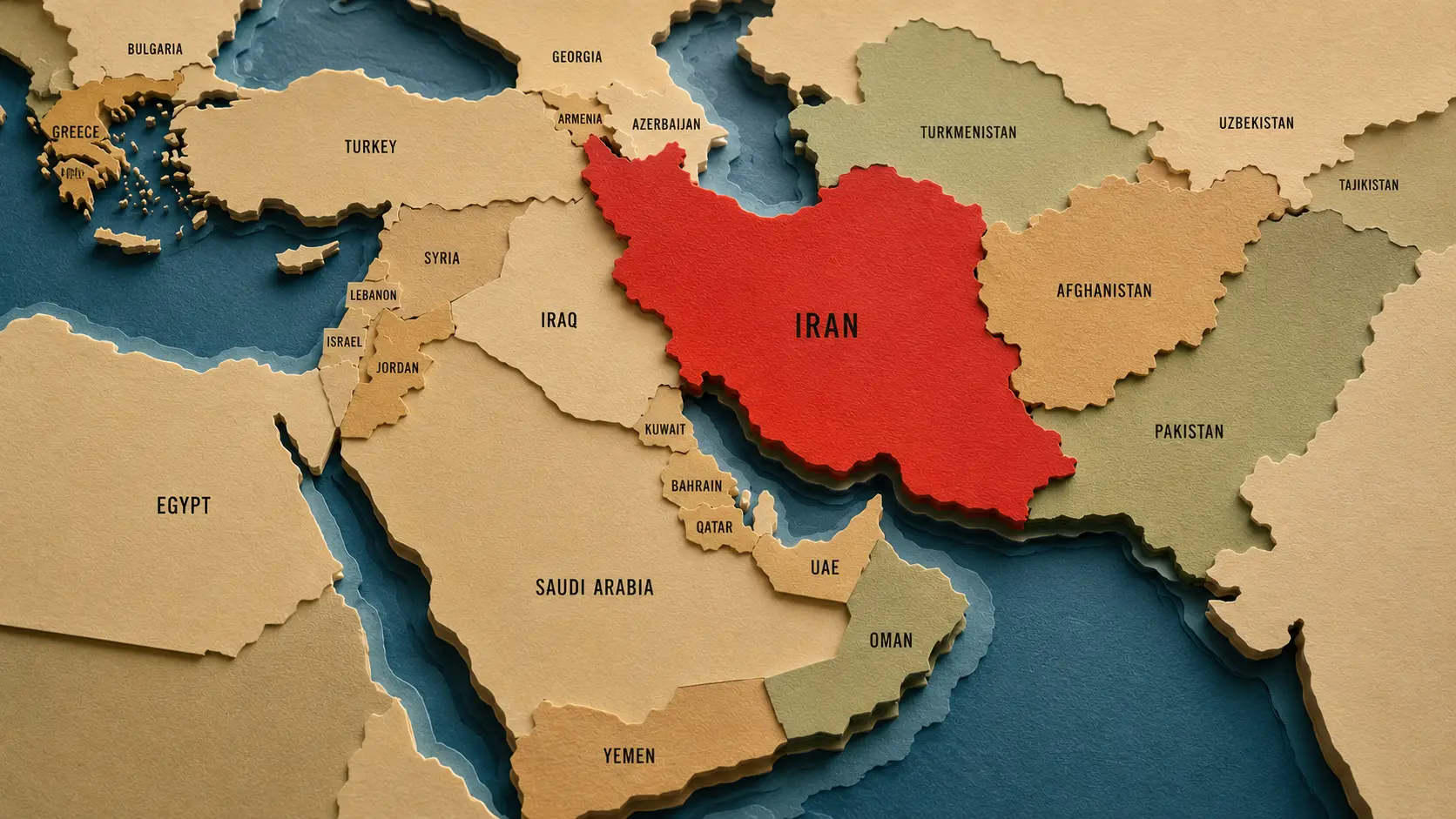
-
2022
The Million-Dollar Mistake
The candidacy of J.R. Majewski for Ohio’s 9th Congressional District in the 2022 cycle serves as a critical case study in the rapid political collapse triggered by systemic biographical misrepresentation. Majewski, who successfully leveraged high-visibility loyalty to former…
Read the story
-
2022to Present
The Russian Invasion of Ukraine
The full-scale invasion of Ukraine, launched by the Russian Federation on February 24, 2022, represents a foundational breach of international law and has triggered one of the most severe humanitarian and human rights emergencies in recent European history. This report…
Read the story
-
2023to Present
Sudan
Sudan is currently grappling with one of the most severe humanitarian and human rights crises globally, a direct consequence of the war that erupted on April 15, 2023, between the Sudanese Armed Forces (SAF), led by General Abdel Fattah al-Burhan, and the paramilitary Rapid…
Read the story
-
2023to Present
Sudan's Proxy War
The state of Sudan is defined by an accelerating, externally-fueled civil war that has generated the world’s most catastrophic humanitarian emergency. Now in its third year, the conflict between the Sudanese Armed Forces (SAF), led by General Abdel Fattah al-Burhan, and the…
Read the story
-
2025
Argentina Currency Swap
Argentina's economic trajectory presents a profound "paradox" in modern economic history: a nation uniquely endowed with vast natural resources that has repeatedly failed to translate inherent advantages into sustained economic stability and prosperity. This failure is…
Read the story
-
2026
The Great Late-Night Retrenchment
On May 22, 2026, the structural landscape of American television underwent an unprecedented realignment. CBS permanently retired The Late Show franchise, ending a 33-year legacy of premium, network-financed late-night television that had been anchored by cultural icons David…
Read the story